
A gem of a house in Paignton built in the late 1300s. Believed to be built by the church, as local stories called it the priests house in the manor of Paignton which was owned by the bishop of Exeter for 500 years from 1049 to 1534. There are records of monks grinding corn in the mill at the corner of Littlegate Road in the mill pool.
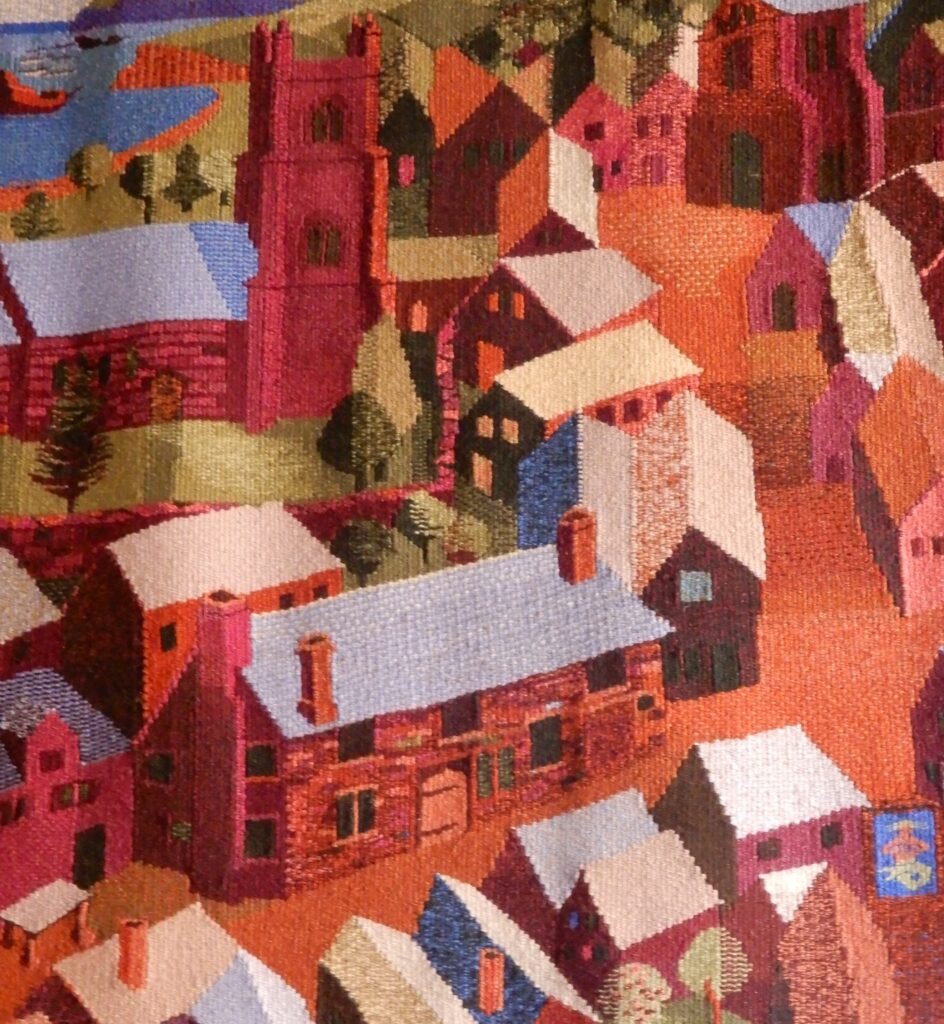
In the house there were two lavers where the monks washed their hands before a meal. These were removed by the local vicar who decided the lavers belonged in a church and had them removed in the early 1900s. After the reformation the house was removed from church ownership and transferred to a wealthy buyer who may have been William Herbert the Earl of Pembroke who owned most of the manor. The house was extended and renovated.
Little is known until 1840s when William Sibley was the occupier , a farm labourer with a 100 year tenancy. The house was called Dashpers in the early 20th century. The Paignton Gas Company knocked down the house across the street which was called Kirkham House to build a gasworks and then bought Dashpers (Kirkham House ) and converted it into 3 Cottages for their workers to live in and called it Kirkham Cottages one, two and three, By the 1930s the town needed a bigger gasworks so it and the workers moved to Hollicombe. The cottages were in a state of disrepair and considered unfit for habitation so the council decided to demolish them as part of a road widening scheme.

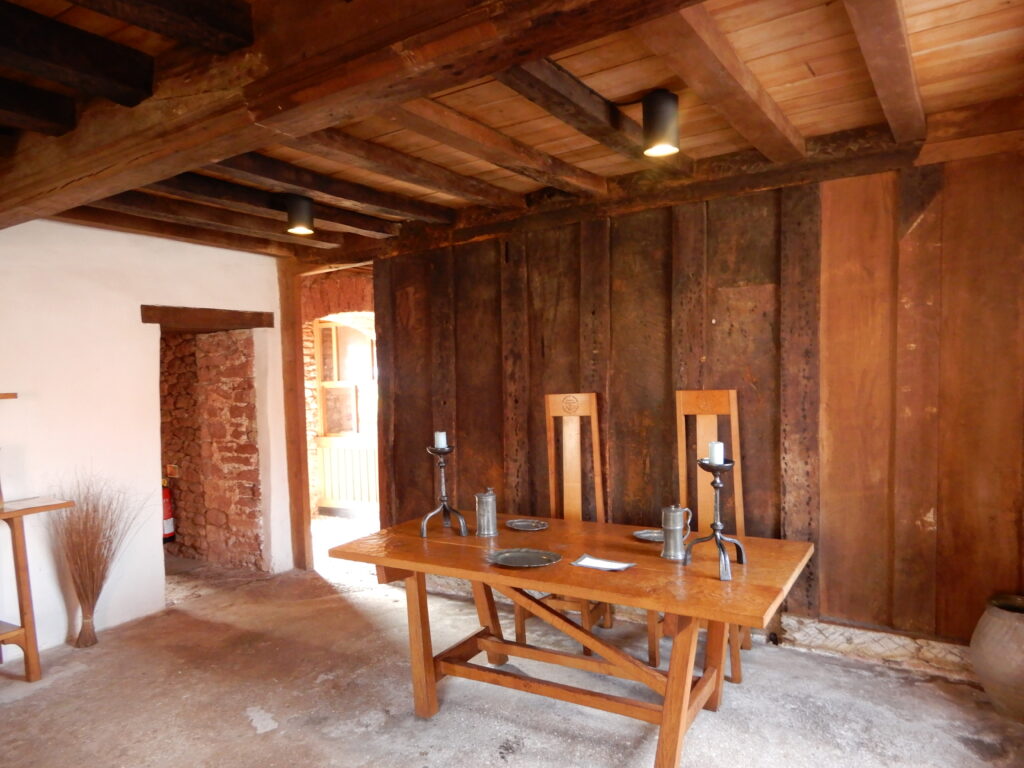
Luckily a Mrs. Ada Jennings saw this in the local paper and purchased the house with the idea of renovating it and turning it into a museum. Unfortunately the war broke out and then Ada died in 1944 but left the house to the nation as an ancient monument with £900, the equivalent today of approx £4000. The house was renovated by English Heritage in the 1960s and the furniture was made for the house in the 1980s.
Contributed by David Coaker